Women Empowerment: Lessons from Successful Female Leaders in South America


Introduction
Women empowerment is a global movement, and South America has its share of influential female leaders who have made significant strides in various fields. Their stories offer valuable lessons and inspiration for aspiring women leaders worldwide.
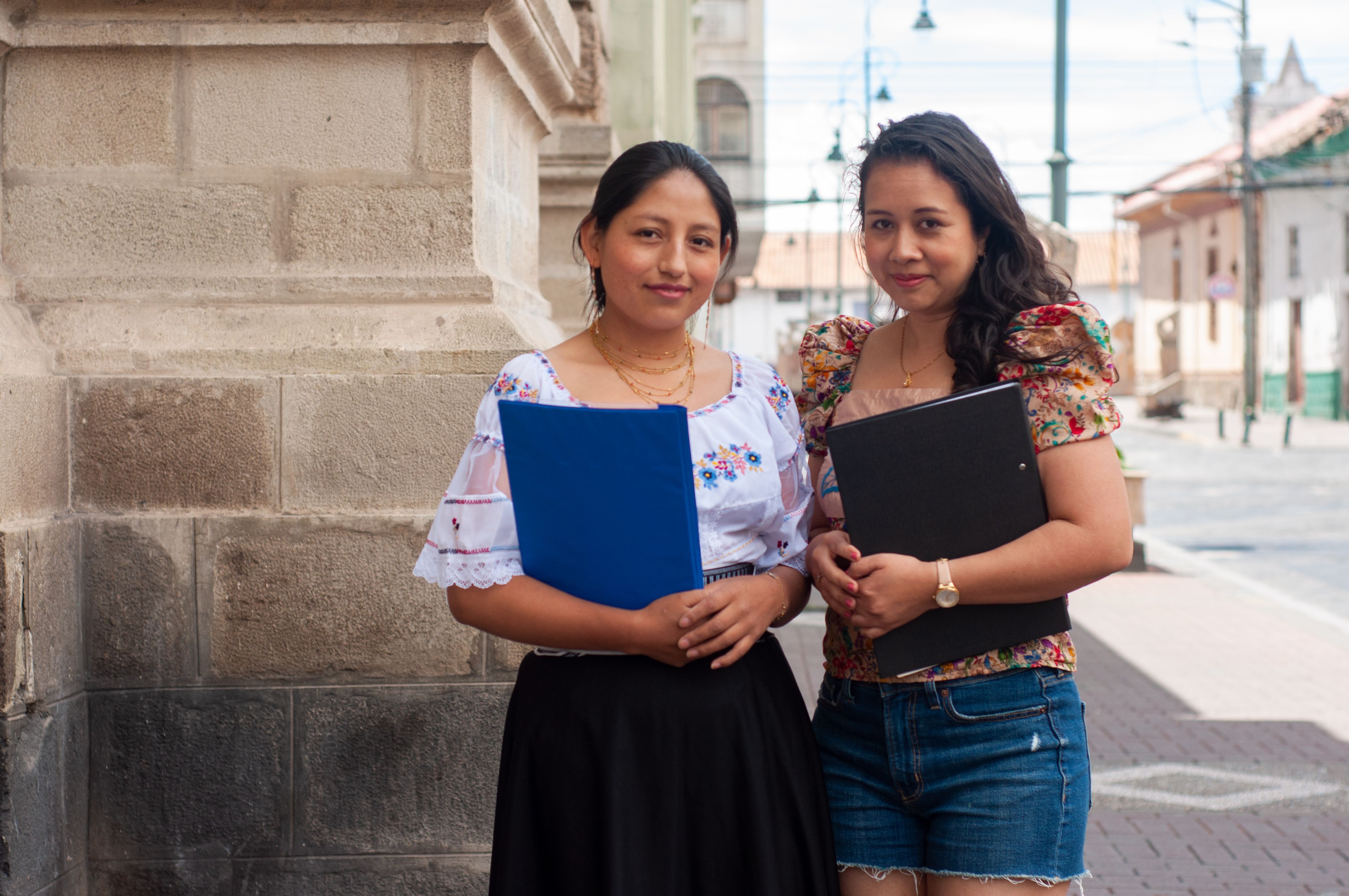
Breaking Barriers
One of the most compelling lessons from successful female leaders in South America is their ability to break through societal and cultural barriers. Despite facing challenges, these women have refused to be defined by traditional gender roles. Their perseverance is a testament to the power of resilience.
For instance, women like Michelle Bachelet, the first female president of Chile, paved the way for future generations by challenging political norms. Her leadership demonstrated that women could lead effectively and bring about meaningful change.
Education as a Tool for Empowerment
Education has played a crucial role in empowering women across South America. Leaders such as Marta Lucía Ramírez, Colombia's first female vice president, have emphasized the importance of education in achieving gender equality. By advocating for educational opportunities, these leaders have inspired countless women to pursue their dreams.

Leadership in Business
South American women have also made significant contributions in the business world. They have shown that leadership is not confined to politics but extends to entrepreneurship and corporate success. Adriana Cisneros, CEO of Cisneros Group, is a prime example of a woman who has excelled in business, encouraging women to take on leadership roles in various industries.
Community and Collaboration
Successful female leaders in South America often stress the importance of community and collaboration. By building networks and supporting each other, women can create a strong foundation for collective success. This approach not only empowers individual women but also strengthens entire communities.

Advocacy and Social Change
Advocacy has been a key factor in driving social change across South America. Women leaders have actively campaigned for issues such as gender equality, healthcare, and human rights. Their advocacy has led to significant policy changes and increased awareness of the challenges faced by women.
For example, the work of women like Marina Silva, an environmental activist and politician from Brazil, highlights the impact of advocacy. Her efforts in promoting environmental sustainability have earned her international recognition and have inspired many to join the cause.
Conclusion
The stories of successful female leaders in South America are a source of inspiration and a powerful reminder of what women can achieve. By learning from their experiences, we can continue to promote women empowerment and work towards a more equitable future for all.