Understanding the Gender Equality Movement in Argentina: Progress and Challenges


Introduction to Gender Equality in Argentina
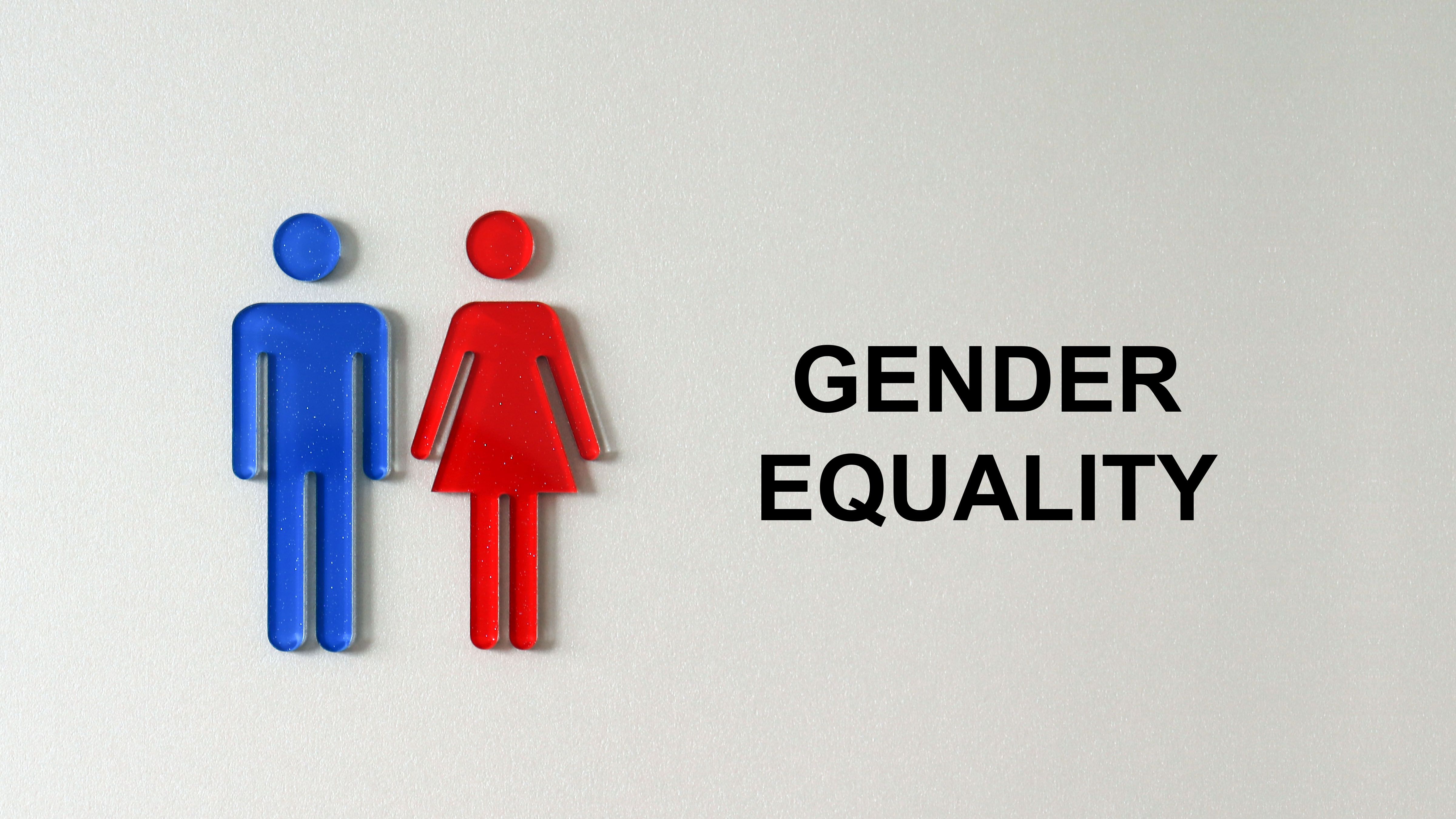
Argentina has been at the forefront of the gender equality movement in Latin America, making significant strides in recent years. The country has seen a rise in activism, policy changes, and societal shifts that aim to improve women's rights and gender equality. However, numerous challenges remain, requiring ongoing efforts and attention.
Historical Context
The journey toward gender equality in Argentina has roots in the early 20th century, with women's suffrage achieved in 1947. Since then, various movements and organizations have worked tirelessly to advance women's rights, focusing on issues such as reproductive rights, workplace equality, and protection from violence.
Despite these efforts, deeply ingrained cultural norms and systemic barriers have often hindered progress. Understanding this historical context is crucial to appreciating the current state of gender equality in Argentina.
Recent Progress and Legal Reforms
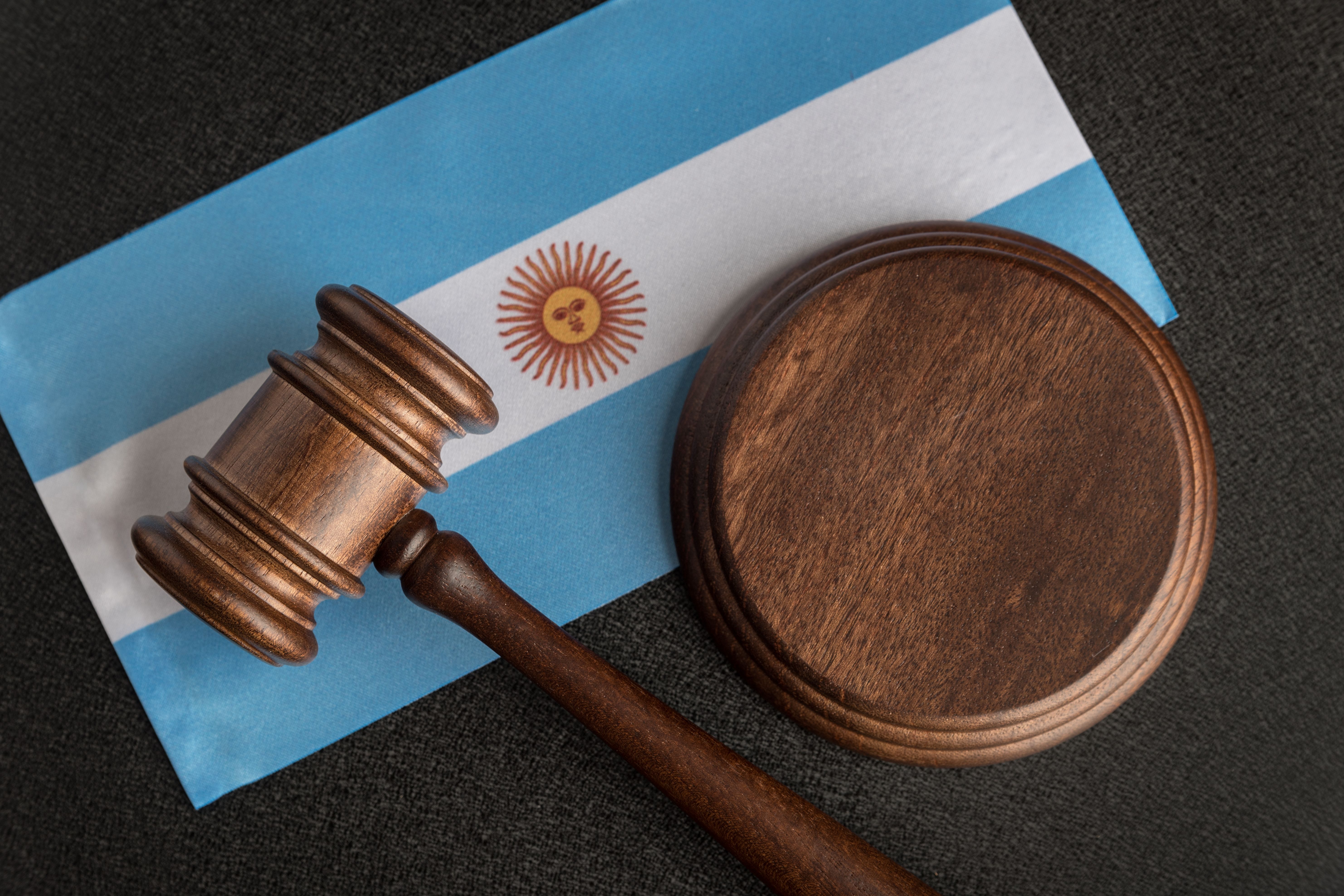
In recent years, Argentina has implemented several key legal reforms aimed at enhancing gender equality. Notably, the country legalized abortion in 2020, a landmark decision that highlighted the strength and influence of women's movements.
Additionally, Argentina has introduced legislation to combat gender-based violence and promote equal pay. These legal advancements reflect a growing commitment to addressing gender disparities.
Challenges Facing the Movement
Despite these positive developments, the gender equality movement in Argentina faces significant challenges. Persistent issues include gender-based violence, economic inequality, and limited access to education and healthcare for women in rural areas.
Furthermore, societal attitudes and traditional gender roles continue to pose barriers, highlighting the need for cultural change alongside legal reforms.
The Role of Activism
Activism has played a pivotal role in Argentina's gender equality movement. Grassroots organizations and movements, such as Ni Una Menos, have mobilized large segments of the population, raising awareness and advocating for change.
These groups have been instrumental in pushing for policy reforms and ensuring that gender equality remains a national priority.

International Influence and Collaboration
Argentina's gender equality movement has not existed in isolation. International collaboration and influence have played a significant role, with global organizations and movements providing support and resources.
This international perspective has enriched the movement, enabling the exchange of ideas and strategies that have bolstered local efforts.
Future Directions
Looking ahead, the gender equality movement in Argentina must continue to build on its successes while addressing ongoing challenges. Priorities include strengthening legal frameworks, promoting education, and fostering cultural change.
Collaboration between government, civil society, and international partners will be essential in ensuring sustained progress.
Conclusion
Understanding the gender equality movement in Argentina involves recognizing both its accomplishments and the obstacles it faces. While significant progress has been made, the journey toward true equality requires continued dedication and action.
By supporting and amplifying the voices of those advocating for change, Argentina can pave the way for a more equitable future for all its citizens.