The Role of Women’s Advocacy Groups in Driving Change


Women's advocacy groups have long been at the forefront of driving social, economic, and political change. These organizations play a crucial role in advancing gender equality and empowering women worldwide. By focusing on key issues such as education, healthcare, and legislation, they have made significant strides in improving the lives of women and their communities.
Advocating for Policy Changes
One of the primary functions of women's advocacy groups is to influence policy at local, national, and international levels. These organizations work tirelessly to ensure that women's voices are heard in legislative processes. By lobbying for laws that protect women's rights, they help create a more equitable society.
For instance, advocacy groups have been instrumental in pushing for equal pay legislation and anti-discrimination laws. They collaborate with policymakers to draft bills and provide research and data to support their initiatives. This targeted approach ensures that the issues affecting women are addressed comprehensively.

Empowering Women Through Education
Education is a powerful tool for empowerment, and women's advocacy groups recognize this. They strive to provide access to education for girls and women, particularly in underserved communities. By offering scholarships, mentorship programs, and workshops, these organizations help women gain the skills they need to succeed.
Furthermore, they advocate for educational reforms that promote gender equality in schools. This includes curriculum changes that challenge stereotypes and encourage girls to pursue STEM fields. By addressing these educational disparities, advocacy groups help lay the foundation for a more inclusive future.

Healthcare Initiatives and Support
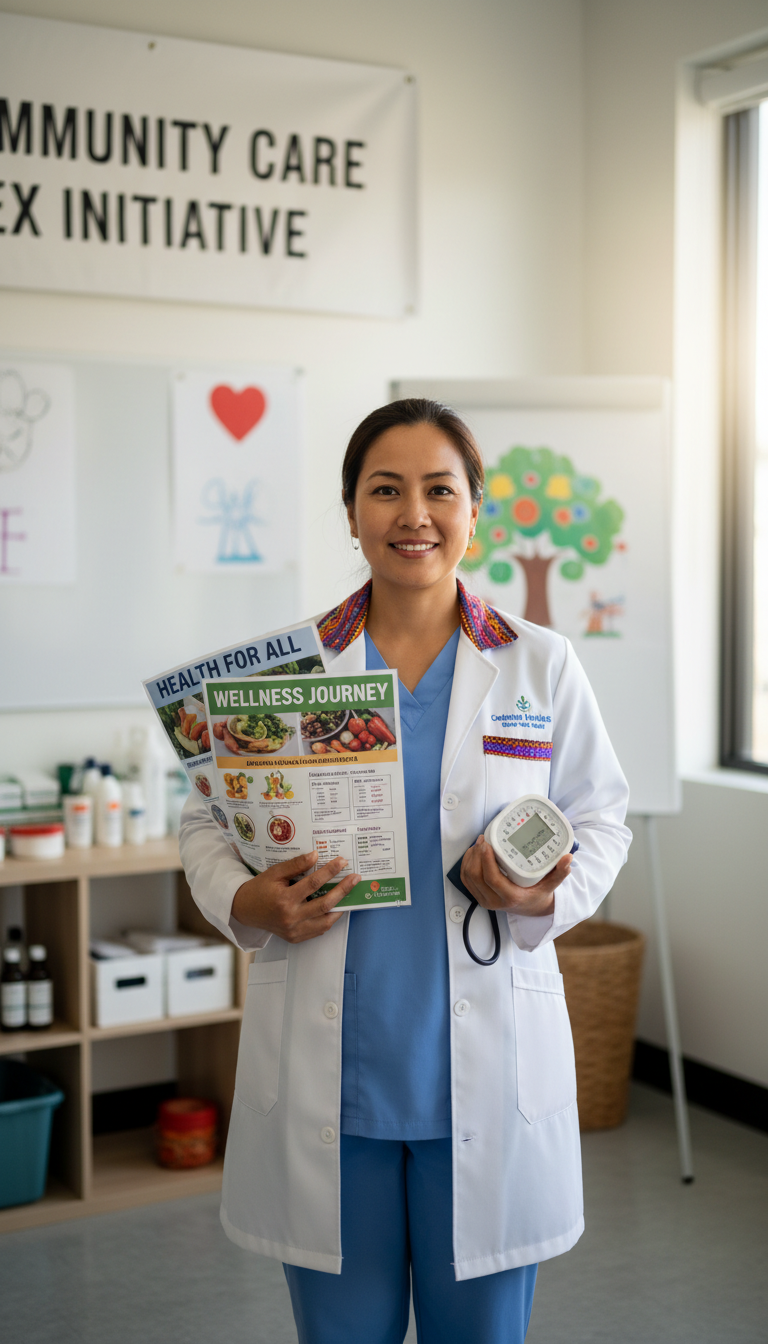
Access to healthcare is another critical area where women's advocacy groups make a significant impact. They work to ensure that women have access to essential health services, including reproductive healthcare. These groups often run community health programs and provide resources to educate women about their health rights.
In addition, they advocate for policies that improve healthcare access and affordability. By addressing systemic barriers, these organizations strive to ensure that all women can lead healthy lives. Their efforts have led to increased awareness and better health outcomes for women globally.
Building Supportive Communities
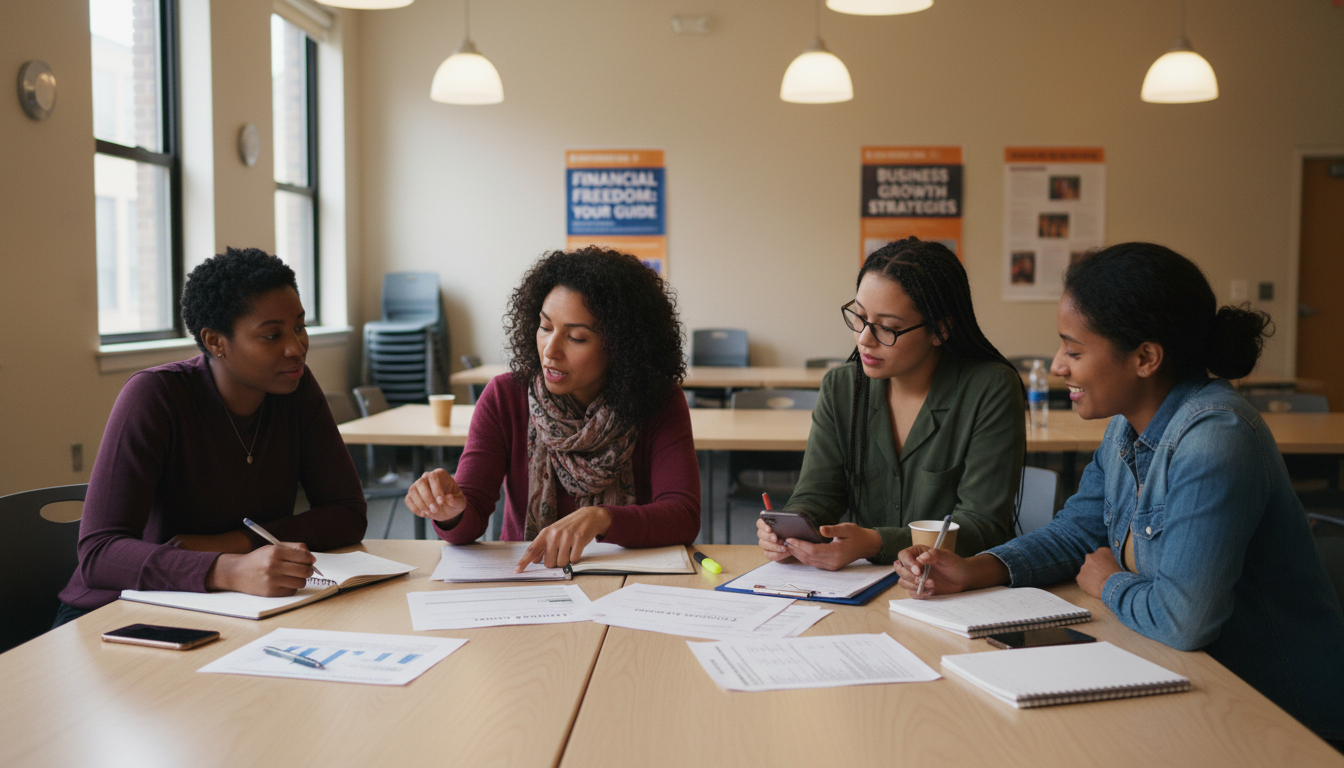
Women’s advocacy groups also focus on building supportive communities where women can connect, share, and grow. They create networks that provide emotional and professional support, helping women overcome challenges and achieve their goals. These communities foster a sense of belonging and empowerment.
Through workshops, conferences, and online platforms, advocacy groups offer opportunities for women to learn from each other and build lasting connections. This support system is vital for personal and professional development, enabling women to thrive in various aspects of their lives.

In conclusion, women's advocacy groups play an indispensable role in driving change. Through policy advocacy, education initiatives, healthcare support, and community building, they empower women and promote gender equality. Their efforts create a ripple effect, benefiting not only women but society as a whole, paving the way for a more just and equitable world.