Exploring Current Trends in Women Empowerment Across South America


Introduction
Women empowerment is a dynamic and evolving subject, with unique trends emerging across different regions. In South America, the movement has gained significant momentum, fueled by cultural shifts, political changes, and grassroots initiatives. This blog post explores the current trends in women empowerment across the continent, highlighting key areas of progress and ongoing challenges.
Political Participation and Leadership
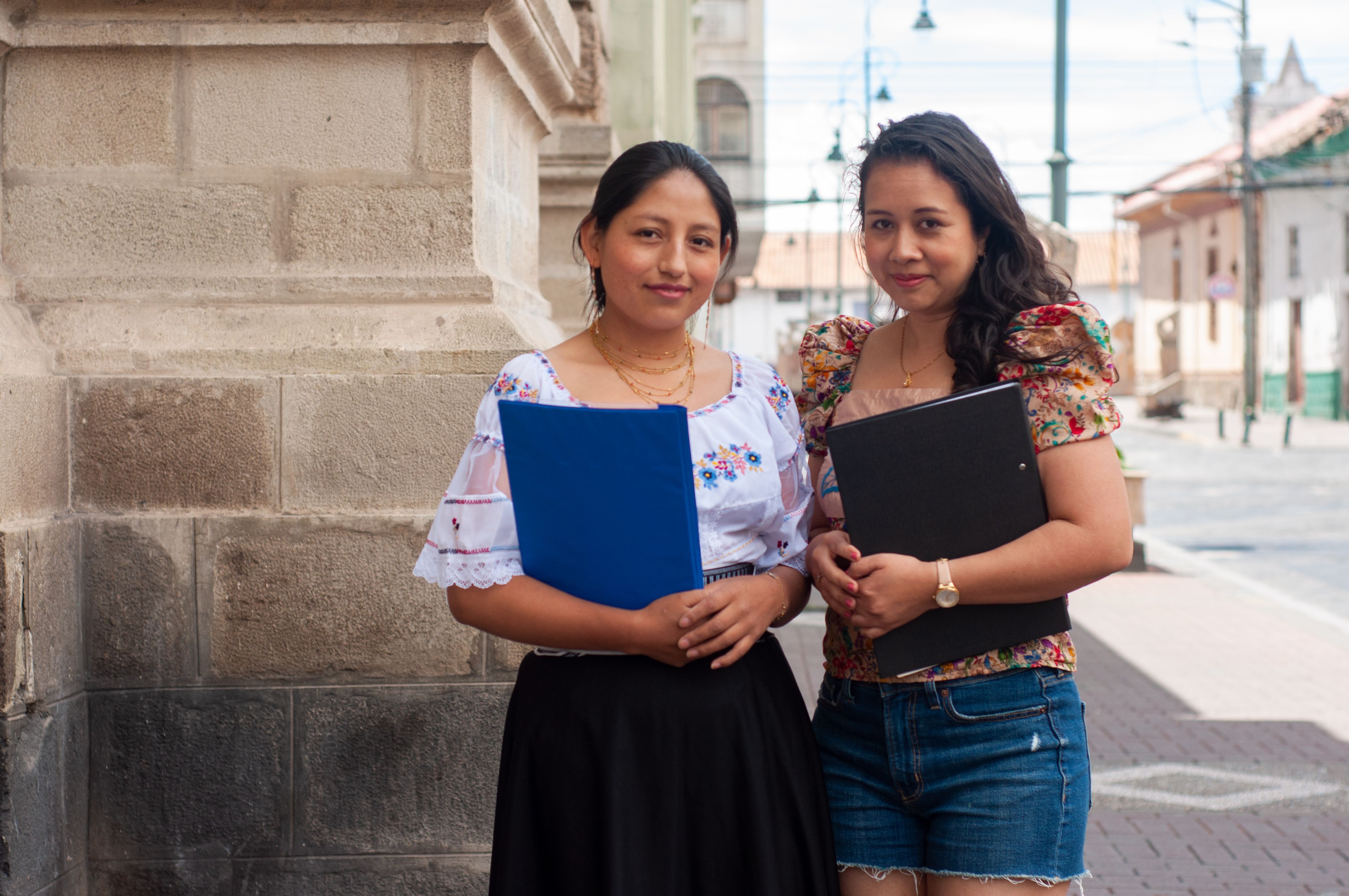
One of the most significant trends in women empowerment in South America is the increasing participation of women in politics. Countries like Argentina, Chile, and Colombia have seen a rising number of women assuming leadership roles. This shift is supported by policies aimed at promoting gender equality in political representation.
For example, Argentina's gender parity law mandates that political parties include equal numbers of male and female candidates on their electoral lists. Such measures are crucial in ensuring that women's voices are heard and represented in decision-making processes.
Economic Empowerment
Economic empowerment is another critical area where South American women are making strides. More women are entering the workforce, starting businesses, and gaining financial independence. Initiatives to support women entrepreneurs are becoming more commonplace, providing essential resources and mentorship opportunities.

Microfinance institutions and NGOs play a significant role in empowering women economically by offering small loans and financial education. These efforts help women to break the cycle of poverty and contribute to their communities' economic development.
Education and Skill Development
Access to education is a powerful tool for empowerment, and South America has seen improvements in this regard. Programs aimed at keeping girls in school and promoting STEM education for women are particularly impactful. These initiatives help equip women with the skills needed to thrive in a rapidly changing world.
Countries like Brazil and Peru have implemented policies to reduce school dropout rates among girls, ensuring they have the opportunity to complete their education and pursue higher studies.
Social and Cultural Shifts
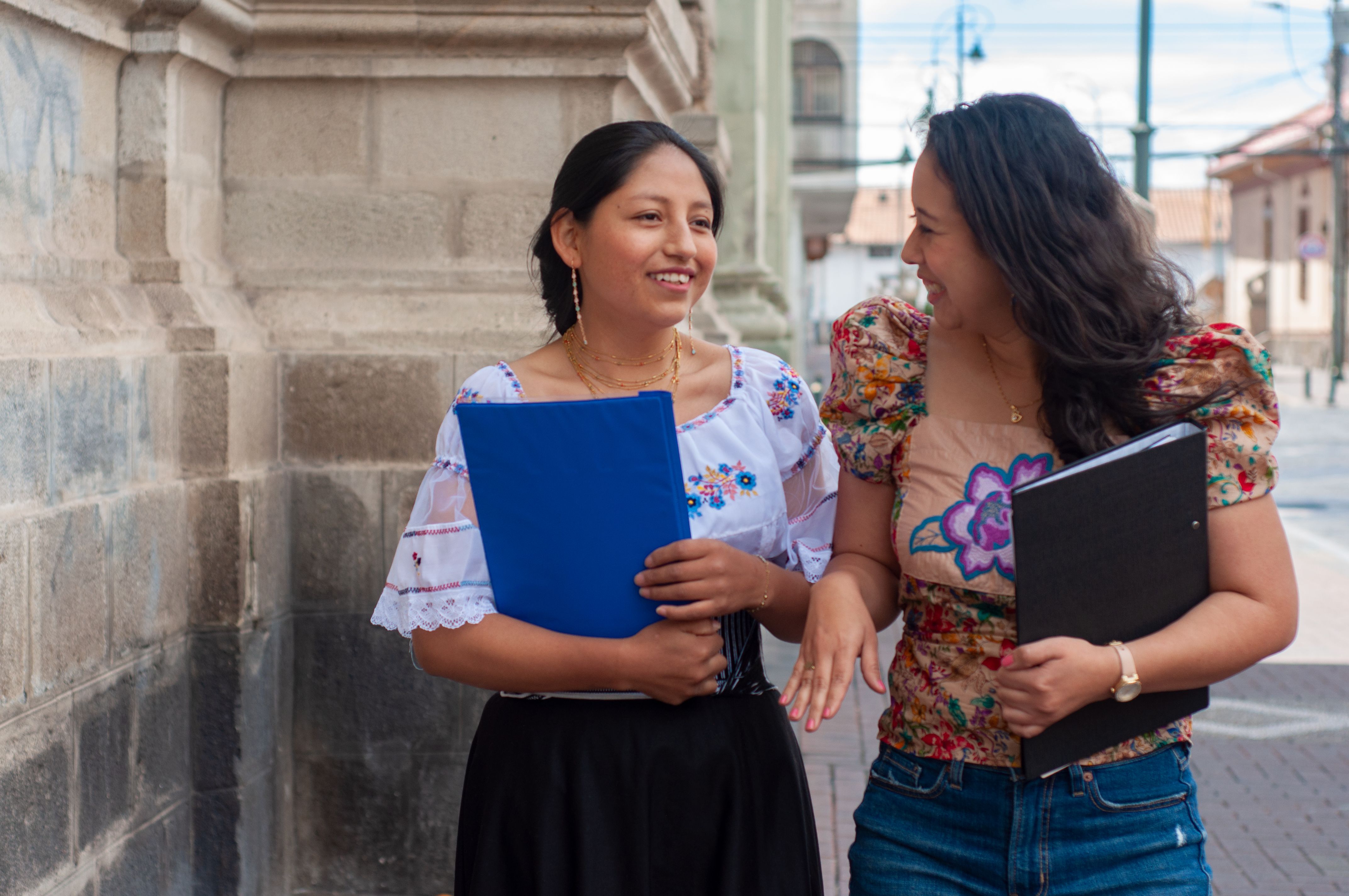
Social and cultural shifts are also contributing to women empowerment in the region. There is a growing awareness and rejection of traditional gender roles, with movements advocating for women's rights gaining prominence. This cultural transformation is supported by media campaigns and public discourse challenging stereotypes and promoting gender equality.
Additionally, the rise of digital platforms has given women a voice to share their stories and connect with others, fostering a sense of community and solidarity.
Challenges and the Road Ahead
Despite these advancements, challenges remain. Issues like gender-based violence, wage gaps, and limited access to healthcare continue to hinder progress. Addressing these challenges requires concerted efforts from governments, organizations, and individuals.
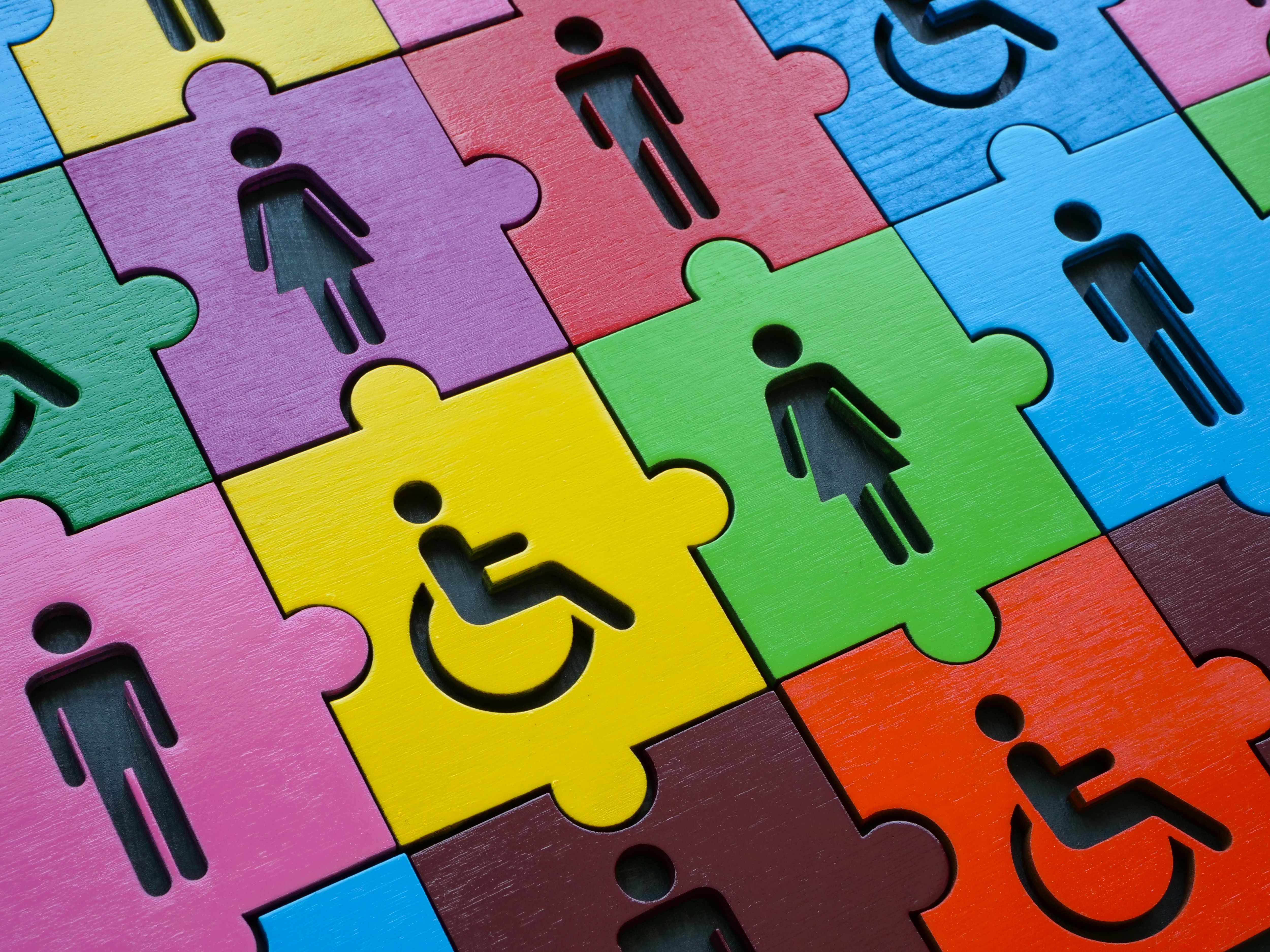
Looking ahead, the focus should be on creating sustainable frameworks for empowerment, involving men as allies in the pursuit of gender equality, and ensuring that progress is inclusive and benefits all women, regardless of their socio-economic background.