Emerging Issues in Gender Equality in Argentina: A Deep Dive


Introduction to Gender Equality in Argentina
Argentina has made significant strides in promoting gender equality over the past few decades. However, emerging issues continue to challenge the progress made. From legislative advancements to grassroots movements, the landscape of gender equality is both dynamic and complex.

Legal Framework and Policy Developments
The legal framework in Argentina has been pivotal in addressing gender equality. Key legislation, such as the Gender Identity Law and laws against gender-based violence, showcase the country's commitment to equality. However, the implementation and enforcement of these laws remain inconsistent, highlighting a gap between policy and practice.
Recent policy developments aim to bridge this gap. The introduction of gender quotas in government positions is a step toward ensuring women's representation. Despite these efforts, women still face challenges in achieving parity in leadership roles.
Economic Disparities
Economic inequality remains a significant barrier to gender equality in Argentina. Women often earn less than men for similar work, and they are underrepresented in high-paying industries. This disparity is exacerbated by the uneven distribution of unpaid domestic labor, which predominantly falls on women.

Efforts to close the gender pay gap have included initiatives to promote women's entrepreneurship and financial literacy. Yet, systemic changes are necessary to create a more equitable economic environment for women in Argentina.
Social and Cultural Challenges
Social norms and cultural attitudes continue to influence gender equality in Argentina. Traditional gender roles are deeply ingrained, often limiting opportunities for women in both personal and professional spheres. Education and awareness campaigns are crucial in challenging these stereotypes.
The rise of feminist movements has sparked important conversations and actions regarding women's rights. Grassroots organizations play a critical role in advocating for change and raising awareness about gender issues.
Intersectionality and Inclusivity
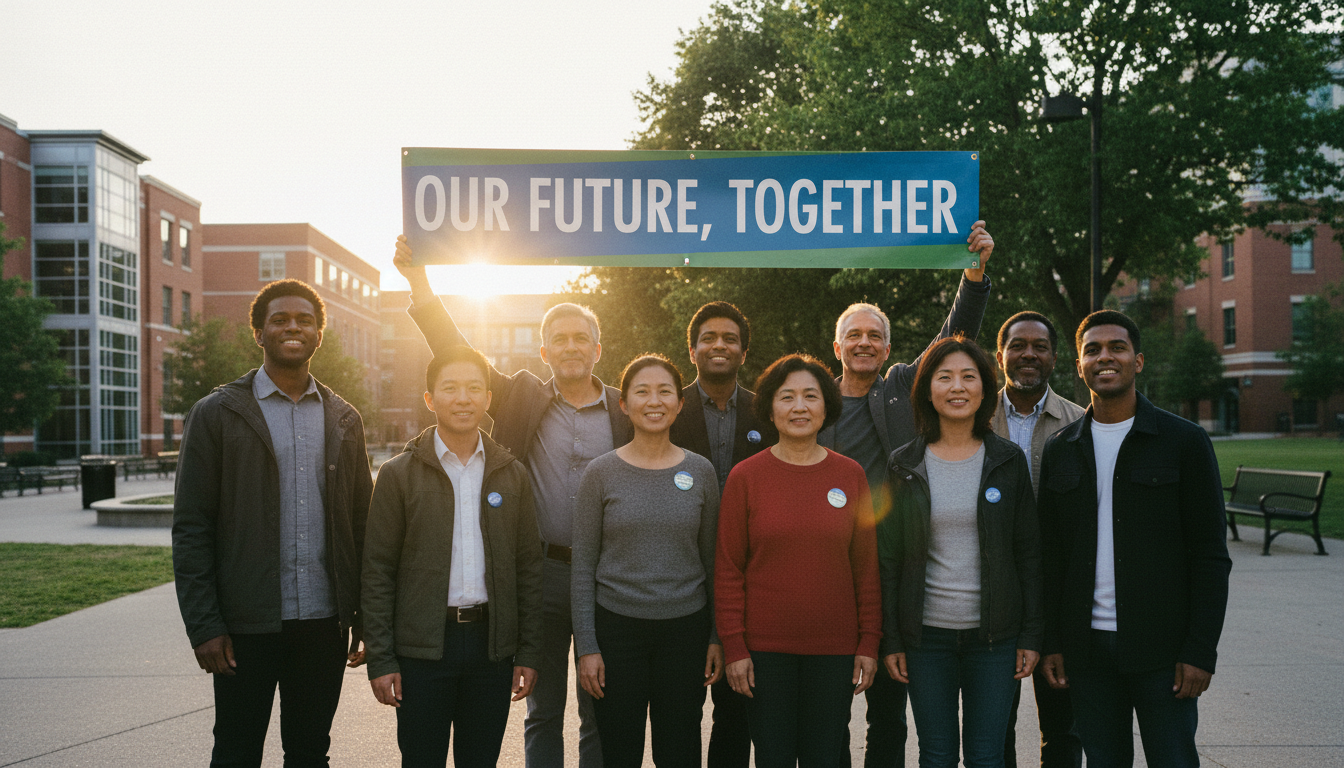
Gender equality in Argentina cannot be fully understood without considering intersectionality. Factors such as race, socioeconomic status, and sexual orientation intersect, creating unique challenges for different groups of women. Inclusivity efforts must address these diverse experiences to foster comprehensive gender equality.
Programs aimed at supporting marginalized communities are essential. These initiatives need to be inclusive of all identities, ensuring that no woman is left behind in the pursuit of equality.
Conclusion
While Argentina has made notable progress in gender equality, emerging issues require ongoing attention and action. By addressing legal, economic, social, and intersectional challenges, Argentina can continue to advance toward true gender equality. Collaboration between government, organizations, and individuals is key to sustaining this momentum and achieving lasting change.