Debunking Myths Around Women Empowerment in South America


Understanding Women Empowerment in South America
Women empowerment in South America is a crucial topic, often surrounded by myths and misconceptions. Understanding the realities and dismantling these myths is essential for fostering genuine progress. In this blog post, we will explore and debunk some of the most common myths about women empowerment in this diverse region.

Myth 1: Women Empowerment Is Only About Gender Equality
While gender equality is a significant aspect of women empowerment, it is not the only focus. Empowerment encompasses economic independence, access to education, political participation, and more. In South America, efforts are being made to address these areas by increasing women's access to resources and opportunities.
For example, programs aimed at enhancing women's entrepreneurial skills have been successful in several countries, helping women start and sustain their businesses. These initiatives illustrate that empowerment is multifaceted, and progress in one area can drive improvements in others.
Myth 2: South American Women Are Not Involved in Politics
Contrary to popular belief, women in South America have been making significant strides in political arenas. Several countries have seen women rise to prominent leadership positions, challenging traditional gender roles and inspiring future generations. Policies promoting gender quotas have played a pivotal role in this shift, ensuring more female representation in government.
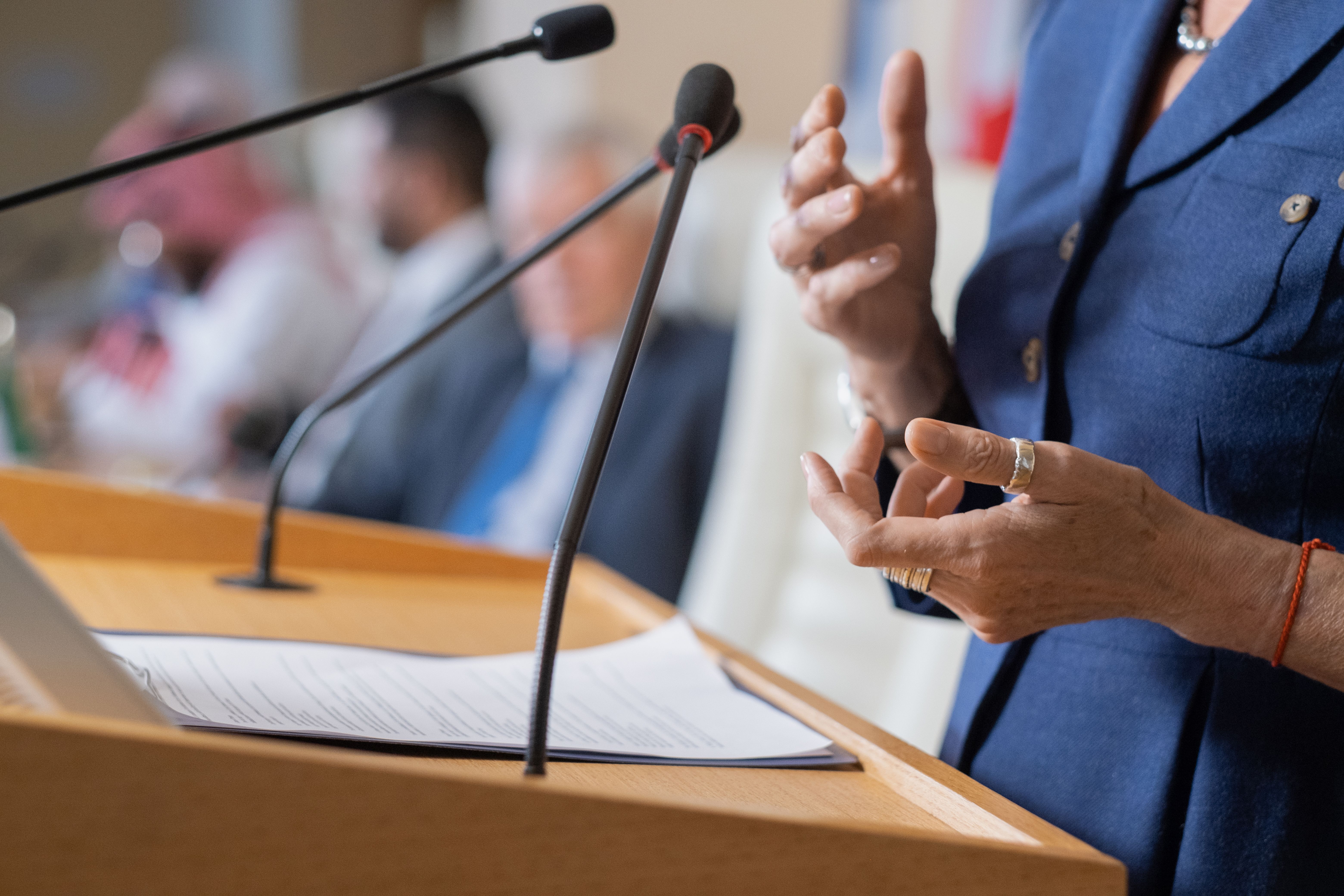
While there is still work to be done, the increasing visibility of women in politics demonstrates a growing acceptance and encouragement of female leadership, which is vital for comprehensive societal change.
Myth 3: Cultural Norms Prevent Empowerment
While cultural norms have historically posed challenges, they are not insurmountable barriers to empowerment. Many communities in South America are witnessing shifts in attitudes, driven by education and advocacy. Grassroots movements and NGOs have been instrumental in reshaping perceptions and promoting gender equality.
By engaging with local traditions and fostering dialogue, these organizations help communities embrace change while respecting cultural identities. This approach ensures that empowerment efforts are sustainable and culturally sensitive.

Myth 4: Economic Empowerment Is Impractical
The idea that economic empowerment is impractical for women in South America is misleading. Numerous initiatives have proven successful in providing women with the tools and resources needed to thrive economically. Microfinance programs, vocational training, and mentorship opportunities empower women to pursue careers and improve their financial situations.
These programs not only benefit individual women but also contribute to the economic growth of entire communities, proving that economic empowerment is both practical and beneficial.
Conclusion: Moving Towards a Brighter Future
Debunking these myths is crucial for understanding the true state of women empowerment in South America. By recognizing the progress made and the challenges that remain, we can support initiatives that promote equality and empowerment. As attitudes continue to evolve and opportunities expand, the future looks promising for women across the region.