Debunking Myths About Gender Equality in Argentina: What You Need to Know


Understanding Gender Equality in Argentina
Gender equality in Argentina is a topic that often sparks debate and discussion. While significant progress has been made, misconceptions persist. It's essential to address these myths to foster a more informed perspective on the issue.

Myth 1: Gender Equality Has Been Achieved
One common myth is that gender equality has been fully achieved in Argentina. While there have been strides in women's rights and representation, challenges remain. Women continue to face disparities in wages, leadership roles, and social expectations.
For instance, the gender wage gap persists. According to recent studies, women earn significantly less than men for the same roles, highlighting the need for continued advocacy and policy change.
Myth 2: Legal Protections Are Enough
Another myth is that legal protections alone are sufficient to ensure gender equality. Although Argentina has implemented laws to promote women's rights, such as the Law on Comprehensive Protection to Prevent, Punish and Eradicate Violence Against Women, enforcement and cultural shifts are crucial for real progress.

Laws can create a framework for equality, but societal attitudes and practices must also evolve. Education and awareness campaigns play a vital role in transforming deeply rooted gender norms.
Myth 3: Gender Equality Only Benefits Women
Some believe that gender equality only benefits women, but it actually has widespread advantages. When gender equality is prioritized, economies flourish, communities grow stronger, and social cohesion improves. Men's involvement in advocating for gender equality is also essential for creating a balanced society.
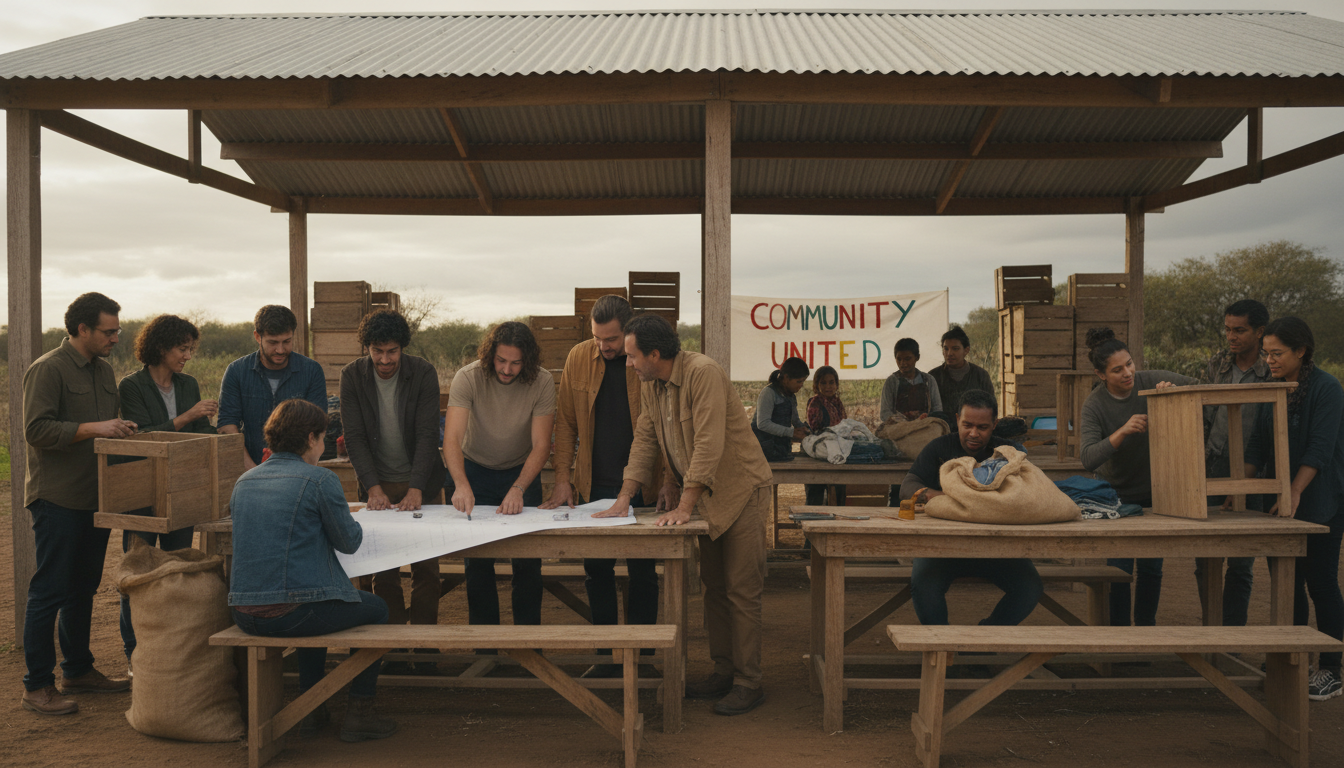
Encouraging male allies and fostering a culture of shared responsibility can lead to more comprehensive and sustainable progress.
Myth 4: The Younger Generation Doesn’t Face Gender Issues
It's a misconception that younger generations are free from gender issues. Although younger people may be more aware, gender stereotypes and biases still influence career choices, educational opportunities, and personal relationships.
Addressing these biases from an early age through education and mentorship can help build a more equitable future.
Moving Forward: Steps for Change
To debunk these myths and support gender equality in Argentina, several steps can be taken:
- Promote education and awareness to challenge stereotypes.
- Support policies that address wage gaps and representation.
- Encourage male participation in gender equality initiatives.
- Foster community programs that empower all genders.
By tackling these myths head-on and embracing a multifaceted approach, Argentina can continue to make strides toward genuine gender equality.