A Comprehensive Guide to Women's Economic Freedom in Argentina


Understanding Women's Economic Freedom in Argentina
Women's economic freedom is a critical aspect of gender equality, directly impacting societal and economic growth. In Argentina, strides have been made over the years, yet challenges remain. This guide delves into the current state of women's economic freedom in Argentina, exploring opportunities, barriers, and future prospects.
Historical Context
Argentina has a rich history of women's movements, with significant progress in legal and social spheres. The country was one of the first in Latin America to grant women the right to vote in 1947. This progressive stance laid the groundwork for further advancements in women's rights, including economic participation.
Despite these achievements, systemic barriers have historically limited women's economic freedom. Understanding the past is crucial for addressing the present challenges women face in achieving full economic independence.
Current Economic Landscape
Today, women in Argentina participate actively in various sectors, from agriculture to technology. However, they often encounter disparities in wages and employment opportunities. Women earn, on average, less than their male counterparts, and many work in informal sectors with limited job security.

Government initiatives have been introduced to address these disparities, such as programs promoting female entrepreneurship and policies supporting work-life balance. These efforts aim to create a more equitable economic environment for women.
Barriers to Economic Freedom
Several barriers hinder women's economic freedom in Argentina. Key challenges include:
- Gender Pay Gap: Women continue to earn less than men for the same work.
- Access to Finance: Limited access to financial resources restricts women's entrepreneurial endeavors.
- Workplace Discrimination: Gender biases in hiring and promotion processes persist.
Empowering Women Economically
Empowering women economically involves both removing barriers and providing opportunities. Education plays a vital role, equipping women with skills needed for higher-paying jobs. Additionally, mentorship programs and networking opportunities can help women advance in their careers.
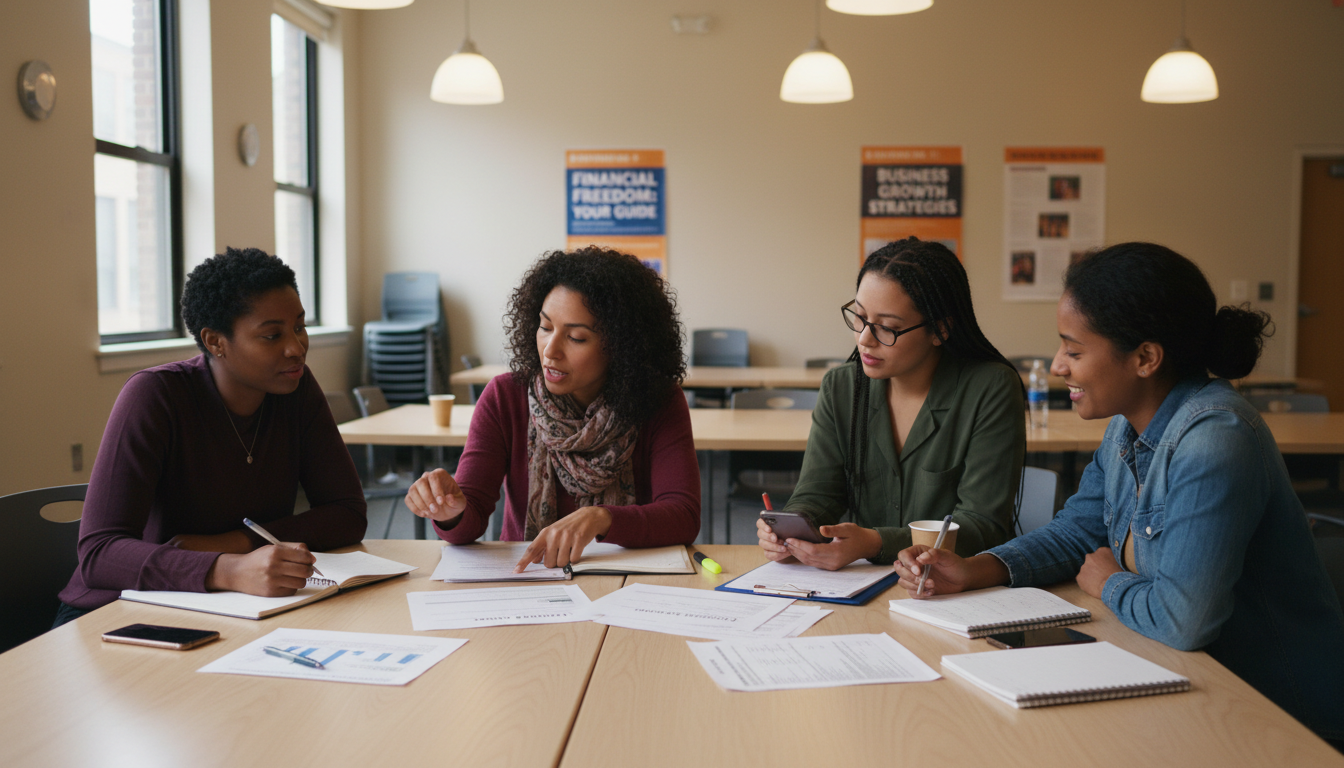
Policies promoting equal pay and flexible work arrangements are also essential. Encouraging male participation in domestic responsibilities can further support women's economic freedom by allowing women more time and energy to pursue careers.
Future Prospects
The future of women's economic freedom in Argentina looks promising, with ongoing efforts from both the government and non-governmental organizations. Continued advocacy for policy reforms, increased awareness, and community support are critical to achieving gender equality in the economic sphere.
By fostering an inclusive economy, Argentina can harness the full potential of its female workforce, leading to more sustainable and balanced growth.
Conclusion
Women's economic freedom in Argentina is a multifaceted issue requiring comprehensive strategies and sustained efforts. As the nation progresses, ensuring equal opportunities for all, regardless of gender, will not only benefit women but society as a whole. The path forward involves collaboration, innovation, and dedication to overcoming the challenges that remain.